
 By Muzammil Abbasi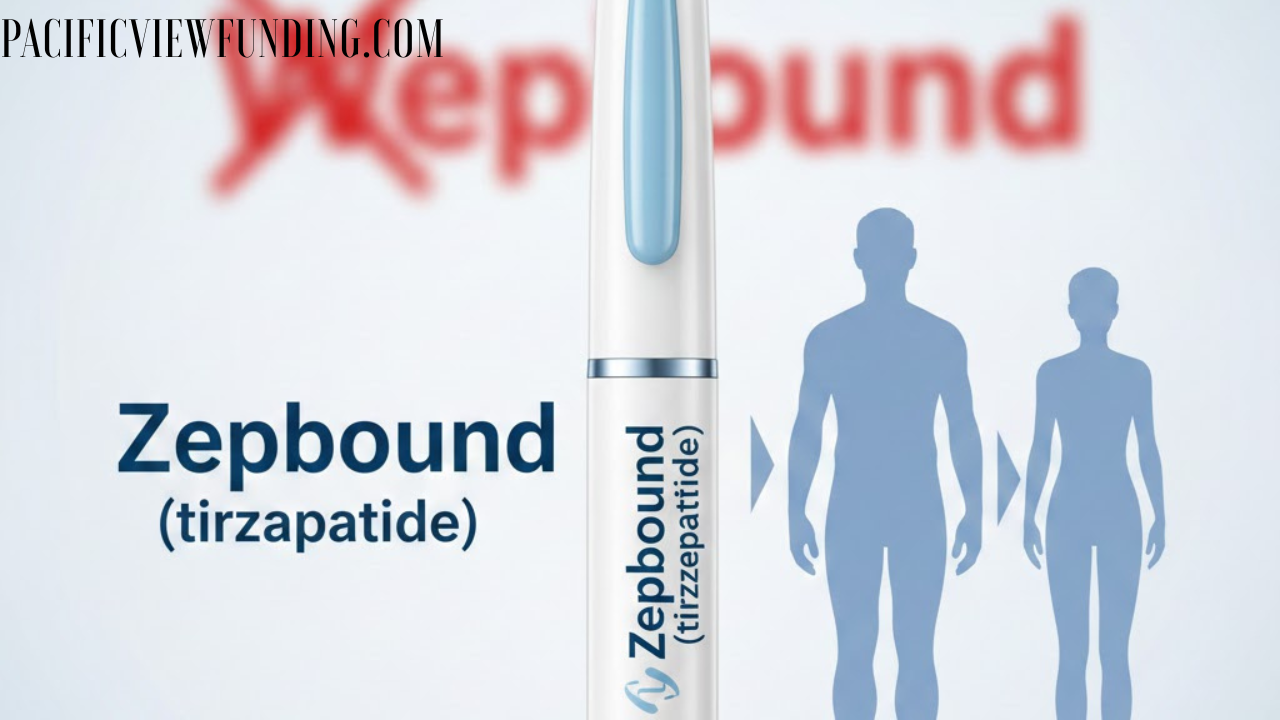
The Truth Behind the Name: What “Wepbound” Really Means
If you’ve heard the term “Wepbound,” you might be confused. That’s because “Wepbound” is not an official product name—it is a common misspelling and source of widespread misinformation for a legitimate prescription medication called Zepbound (tirzepatide).
The U.S. Food and Drug Administration (FDA) approved Zepbound in November 2023 for chronic weight management in specific adults. It is a groundbreaking medication that has generated significant public interest and, consequently, a flood of online content. Unfortunately, this has led to considerable confusion, with the misspelled term “Wepbound” being incorrectly associated with everything from cybersecurity frameworks to networking technologies.
This article will cut through the noise, correct the misconceptions, and provide you with authoritative, evidence-based information about tirzepatide, the active medication you’re likely searching for.
Debunking the “Wepbound” Myths: What It Is NOT
Before detailing what this medication is, it’s crucial to clarify what it is not. The internet is rife with inaccurate articles that have mislabeled “Wepbound”.
| Common False Association | The Reality |
|---|---|
| A Cybersecurity or IT Platform | A prescription injectable medication for weight management. |
| An SEO or Digital Marketing Tool | A hormone-based therapy approved by the FDA. |
| A Social Media or Community Platform | A single-dose pen administered via subcutaneous injection once weekly. |
| A Business Integration System | A treatment used alongside a reduced-calorie diet and increased physical activity. |
This misinformation often arises when content creators prioritize trending topics over factual accuracy. For your health, it is essential to rely on official medical sources, such as the FDA, Mayo Clinic, and the medication’s manufacturer.
What Is Zepbound (Tirzepatide)? The Science of Weight Loss
Zepbound contains the active ingredient tirzepatide. It belongs to a dual-targeting drug class known as GIP and GLP-1 receptor agonists. In simpler terms, it mimics two natural gut hormones that are crucial for regulating blood sugar, insulin secretion, and—most importantly for weight management—appetite and satiety.
By activating these hormone receptors, Zepbound works in two key ways:
-
Reduces Appetite: It signals to your brain that you are full.
-
Slows Digestion: It delays the emptying of the stomach, helping you feel satisfied longer after eating.
The result is a reduced caloric intake, which leads to significant and sustained weight loss when combined with lifestyle changes.
Proven Efficacy: What the Clinical Trials Show
The FDA approval was based on robust clinical trials. The results are compelling:
-
In adults without diabetes: After 72 weeks, those taking the highest dose (15 mg) lost an average of 18% of their starting body weight. Another study showed an average weight loss of 20.9% over 17 months.
-
In adults with type 2 diabetes: Participants on the 15 mg dose achieved an average weight loss of 12% over 72 weeks.
-
Maintenance is Key: Research indicates that continuing the medication is necessary to maintain weight loss. In one long-term study, participants who continued Zepbound maintained their loss, while those switched to a placebo regained a significant amount of weight.
Who Is Zepbound For? Understanding Eligibility and Use
Zepbound is not for everyone. It is a prescription medication intended for specific adults under medical supervision.
Approved Uses
The FDA has approved Zepbound for two primary purposes alongside lifestyle interventions:
-
Chronic Weight Management: For adults with:
-
Obesity (a Body Mass Index (BMI) of 30 kg/m² or greater), or
-
Overweight (BMI of 27 kg/m² or greater) and at least one weight-related health condition (e.g., high blood pressure, type 2 diabetes, high cholesterol, obstructive sleep apnea).
-
-
Moderate-to-Severe Obstructive Sleep Apnea (OSA): For adults with obesity.
Important Safety Contraindications
Zepbound carries a Boxed Warning (the FDA’s most serious warning) regarding a potential risk of thyroid C-cell tumors. It should NOT be used by:
-
Patients with a personal or family history of medullary thyroid carcinoma (MTC).
-
Patients with Multiple Endocrine Neoplasia syndrome type 2 (MEN 2).
-
Those who have had a serious allergic reaction to tirzepatide or any ingredient in Zepbound.
It also should be used with caution or may not be suitable for people with a history of pancreatitis, severe kidney problems, severe gastrointestinal disease, or diabetic retinopathy.
What to Expect: Dosage, Side Effects, and Practical Guidance
Administration and Dosage
Zepbound is a once-weekly subcutaneous injection you can self-administer at home after proper training. The dosage starts low to minimize side effects and is gradually increased:
-
Starting Dose: 2.5 mg once weekly for 4 weeks.
-
Dose Escalation: The dose is increased in 2.5 mg increments every 4 weeks.
-
Maintenance Doses: The effective doses for weight management are 5 mg, 10 mg, and 15 mg once weekly. Your doctor will determine the most appropriate dose for you.
Common and Serious Side Effects
Most side effects are gastrointestinal and often improve over time as your body adjusts.
| Common Side Effects (>5%) | Serious Side Effects (Seek Medical Attention) |
|---|---|
| Nausea, Diarrhea, Constipation, Vomiting | Symptoms of Pancreatitis: Severe, persistent abdominal pain that may radiate to the back. |
| Abdominal pain, Indigestion, Burping | Gallbladder Problems: Upper stomach pain, fever, yellowing of skin/eyes (jaundice). |
| Injection site reactions (redness, itching) | Kidney Injury: Decreased urination, swelling in feet/ankles, confusion. |
| Fatigue, Dizziness, Hair Loss | Severe Allergic Reaction: Swelling of face/lips/throat, difficulty breathing, rapid heartbeat. |
| Low Blood Sugar (Hypoglycemia): Especially when used with insulin or sulfonylureas. |
Lifestyle and Medication Management
-
Diet and Exercise: Zepbound is designed to be used as a tool alongside a reduced-calorie diet and increased physical activity, not as a standalone solution.
-
Storage: Store pens in the refrigerator. A single pen can be kept at room temperature for up to 21 days.
-
Missed Dose: If you miss a dose, inject it as soon as possible within 4 days. If more than 4 days have passed, skip the missed dose and take your next dose on the regular schedule.
Access, Cost, and the Path Forward
Access to Zepbound requires a prescription from a licensed healthcare provider. They will assess your BMI, weight-related health conditions, and overall medical history to determine if it is appropriate for you.
Cost can be a significant barrier. Many commercial insurance plans may cover it, but often require a prior authorization. It’s critical to note that Medicare Part D plans are prohibited by law from covering medications for weight loss. The manufacturer, Eli Lilly, offers a savings card for eligible patients with commercial insurance to reduce out-of-pocket costs.
Your Next Steps: A Responsible Call to Action
-
Consult a Healthcare Professional: If you believe you meet the criteria for Zepbound, schedule an appointment with your doctor. Have an open discussion about your weight management goals, full medical history, and all medications you take.
-
Verify Information: Always cross-check health information. Use this article as a starting point, but rely on official sources like the FDA, Mayo Clinic, and the official Zepbound website for the most current details.
-
Adopt a Holistic Mindset: Understand that sustainable weight management is a long-term journey. Medication can be a powerful aid, but lasting success is built on a foundation of sustainable nutrition, regular activity, and behavioral changes.
The confusion around “Wepbound” underscores the importance of seeking accurate health information. By focusing on the facts about Zepbound (tirzepatide), you can make informed, safe, and effective decisions about your health journey.