
 By Muzammil Abbasi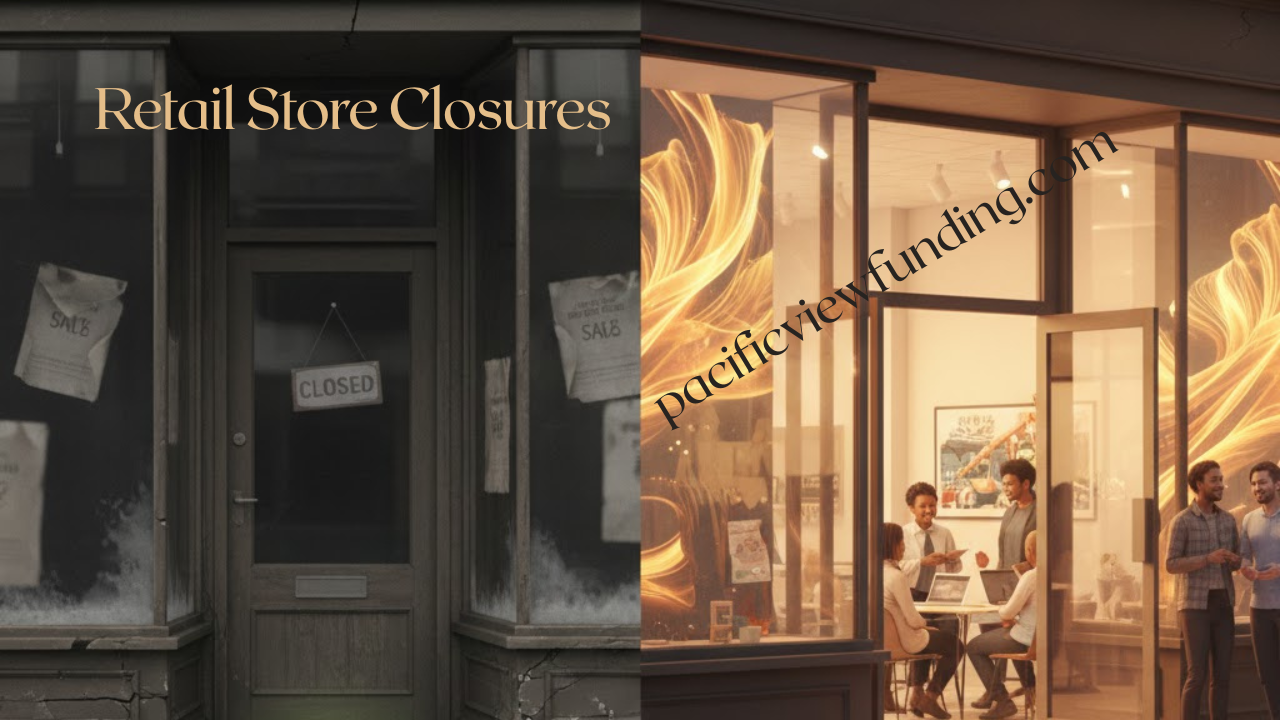
The quiet click of a final “Closed” sign being hung is becoming a familiar sound across towns and cities. In 2024, an estimated 37 retail stores closed their doors for good every single day in the UK—a total of nearly 13,500 shops in just one year. This isn’t an isolated trend but a fundamental transformation of the retail landscape, affecting everyone from century-old family businesses to high-street giants and national charities.
For business owners, employees, and community leaders, this wave of retail store closures is more than a statistic; it’s a direct threat to livelihoods and local identity. This article explores the powerful forces driving this change, the domino effect it creates, and, crucially, the actionable strategies that can help businesses not just survive, but find new opportunities for growth.
The Scale of the Crisis: A Tipping Point for Town Centres
The data reveals a rapid acceleration in closures. The 13,500 UK store closures in 2024 marked a 28% increase from the previous year. The trend has continued, with high-profile names like Ted Baker, The Body Shop, and Fired Earth shuttering locations. Even resilient sectors are feeling the pressure: the charity chain Cancer Research UK plans to close around 90 shops by mid-2026.
This phenomenon is not confined to the UK. In the United States, retailers announced over 8,000 store closures in 2025, a 13.2% increase from the year before. Major chains like Macy’s, Kohl’s, and the bankrupt Joann Fabrics and Party City are significantly reducing their physical footprints.
A walk down many high streets now reveals “ghostly memorials”—large buildings still vacant years after anchor stores like Debenhams collapsed. This visual decay signals a deeper economic shift, moving communities toward what experts describe as a dangerous “point of no return”.
The Perfect Storm: Key Factors Driving Store Closures
Store closures are not caused by a single issue but by a “perfect storm” of interconnected pressures. The following table summarizes the primary challenges brick-and-mortar retailers face.
| Factor | Description & Impact | Examples |
|---|---|---|
| Rising Operational Costs | Steep increases in wages, employer taxes, and property taxes squeeze already thin profit margins. | UK employers faced higher National Insurance costs, adding ~£2,400/year per full-time staff member. |
| The Asymmetry of Business Rates | A property tax that disproportionately burdens physical stores compared to online warehouses. | Physical stores pay millions more as a percentage of sales than online competitors. |
| The Digital Shift | Fundamental change in consumer habit toward the convenience of online and “quick commerce”. | Growth of cross-border platforms (Temu, Shein) and social commerce (Instagram, TikTok shops). |
| Outdated Models | High street operating hours and in-store experiences often don’t meet modern customer expectations. | Shoppers cite 9-5 store hours conflicting with work schedules and frequent lack of in-store stock. |
| Intense Competition | Pressure from value retailers, supermarkets expanding into non-food, and fast-fashion giants. | Discount grocers (Aldi, Lidl) and value chains (The Range, Home Bargains) gain market share. |
Rising Operational Costs: For many, recent government policy has been the final straw. One retail analyst bluntly called it “death by a thousand national insurance contributions”. A significant rise in employer National Insurance contributions, coupled with increases to the National Living Wage, has dramatically raised the cost of employment—a major expense for service-intensive retail.
The Asymmetry of Business Rates: The UK’s business rates system, a tax on commercial property, is cited as a critical disadvantage for physical stores. It’s based on property value, so a high-street shop pays far more than a vast online fulfilment centre on an industrial estate. This creates an unlevel playing field where online retailers avoid much of the tax burden that their brick-and-mortar competitors must bear.
The Digital Shift: The shift to online shopping is the dominant, long-term trend. The COVID-19 pandemic accelerated this shift, and footfall remains 15-20% lower than pre-pandemic levels. Consumers now expect the convenience, choice, and competitive pricing of online, with new models like cross-border e-commerce and AI-powered shopping agents gaining ground.
The Domino Effect: How One Closure Can Cripple a Community
The impact of a retail store closure extends far beyond a single empty shopfront. It triggers a damaging domino effect that can hollow out an entire community.
-
Loss of Foot Traffic and Neighbouring Business: Anchor stores like department stores or major banks draw people into town centres. When they leave, neighbouring cafes, newsagents, and smaller shops suffer from dramatically reduced footfall, endangering their own viability.
-
Economic and Social Decay: Empty units reduce the council’s taxable revenue base, limiting funds for local services. Vacant properties can lead to increased crime and antisocial behaviour, further deterring visitors and investment. In some areas, organised crime has moved into dead high streets, using shops as fronts for money laundering.
-
Erosion of Local Identity and Community: High streets have historically been the heart of towns. Their decline diminishes a community’s sense of place and pride, replacing vibrant social hubs with “eerie silence”. This decay can fuel public resentment and political polarisation.
Survival Guide: Strategies for the Modern Retailer
In this challenging climate, simply “trying harder” is not enough. Survival requires a strategic pivot and a willingness to adapt the fundamental business model.
1. Embrace a Hybrid “Phygital” Model
A strong, integrated online presence is non-negotiable. This means moving beyond a basic website to a full e-commerce platform that works in tandem with your physical store. Use your shop as a fulfilment hub for click-and-collect, which drives footfall. Ensure your inventory is synced so customers don’t face the frustrating experience of finding an item is “online only” while standing in your store.
2. Rethink Your Physical Space and Location
The strategy of opening countless identical stores is over. The most successful brands are now focusing on fewer, better-located stores. Consider if a large, expensive high-street unit is essential. Could a smaller experiential flagship, a kiosk in a thriving retail park (which are outperforming high streets), or a pop-up shop work better? The goal is to be where your customers are and to use space efficiently.
3. Cultivate an Unbeatable In-Store Experience
To compete with online convenience, your store must offer what a website cannot: human connection and tangible experience. This means:
-
Exceptional, Expert Service: Staff should be product experts and brand ambassadors.
-
Community Hub Activities: Host workshops, product demonstrations, or local artist displays to give people a reason to visit.
-
Experiential Retail: Create engaging, memorable environments where people want to spend time. As one retail leader stated, “Retail only thrives when we focus on creating emotions”.
4. Master Operational Efficiency and Seek Support
Scrutinise every cost. Negotiate with suppliers and landlords. Leverage modern POS systems for real-time inventory and sales analytics to reduce waste. Crucially, seek out available support: government grants, small business loans, and local enterprise partnerships that offer mentorship and networking.
The Road Ahead: Adaptation, Not Extinction
The era of the high street as a purely transactional retail wonderland is over. The future lies in mixed-use, experiential community centres. Inspiring examples show the way forward: from Plymouth, where a social enterprise transformed empty buildings into community workspaces and education centres, to Stockton-on-Tees, which replaced a dead shopping centre with a large urban park.
The stores that will thrive are those that understand they are no longer just selling products—they are providing a service, an experience, and a sense of community. They will leverage technology not as a threat, but as a tool to enhance human interaction.
The wave of retail store closures is a formidable challenge, but within it lies the necessity—and the opportunity—for reinvention. Whether you’re a seasoned shop owner or an aspiring entrepreneur, the call to action is clear: audit your business model against these modern pressures, embrace strategic change, and actively participate in reimagining what a vital, thriving local economy looks like. The future of our town centres depends on it.