
 By Muzammil Abbasi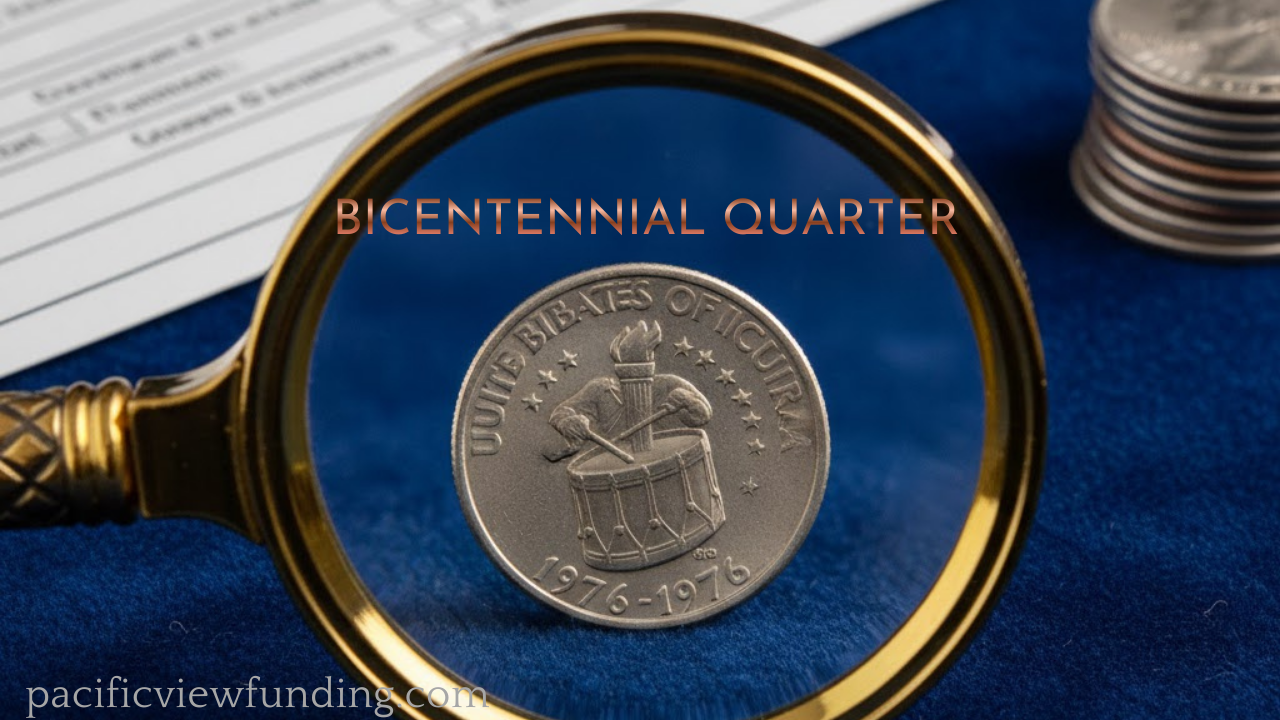
The rare bicentennial quarter is one of the most talked-about U.S. coins among collectors and casual coin hunters alike. Released to celebrate America’s 200th anniversary, this unique quarter stands out for its historical importance, dual date, and special reverse design. While millions were produced, certain versions are surprisingly valuable today.
In this in-depth guide, you’ll learn what makes a bicentennial quarter rare, how to identify valuable examples, current market values, and expert tips for collectors. Whether you found one in pocket change or inherited a coin collection, this article will help you determine if your coin is truly special.
What Is a Bicentennial Quarter?
A bicentennial quarter is a U.S. 25-cent coin minted in 1975 and 1976 to commemorate the 200th anniversary of American independence. Unlike regular quarters, it features a dual date “1776–1976” instead of a single year.
Key Design Features
-
Obverse (Front): George Washington’s profile (designed by John Flanagan)
-
Reverse (Back): Colonial drummer with a torch and 13 stars
-
Designer (Reverse): Jack L. Ahr
-
Composition: Copper-nickel clad or 40% silver
This distinctive design makes the bicentennial quarter instantly recognizable.
Why Are Some Bicentennial Quarters Rare?
Although over 1.6 billion bicentennial quarters were minted, only a small fraction qualify as rare bicentennial quarters. Rarity depends on several important factors.
Factors That Increase Rarity
-
Silver composition
-
Mint errors
-
Proof condition
-
High-grade uncirculated state
-
Low population varieties
Most bicentennial quarters in circulation are worth face value, but specific types can command hundreds or even thousands of dollars.
Mint Locations and Their Importance
Understanding where a bicentennial quarter was minted is essential when determining its value.
Philadelphia Mint (No Mint Mark)
-
Produced the highest number
-
Mostly copper-nickel clad
-
Generally common unless in pristine condition
Denver Mint (D Mint Mark)
-
Also copper-nickel clad
-
Slightly better strike quality
-
Higher value in mint-state grades
San Francisco Mint (S Mint Mark)
-
Produced proof coins and 40% silver versions
-
Most valuable bicentennial quarters come from here
Tip: Look for the mint mark just to the right of Washington’s ponytail.
Silver Bicentennial Quarters Explained
One of the most valuable categories is the silver rare bicentennial quarter.
Silver Composition Details
-
40% silver / 60% copper
-
Issued only in collector sets
-
Never released into general circulation
How to Identify a Silver Bicentennial Quarter
-
Heavier weight than clad coins
-
Solid silver edge (no copper stripe)
-
Often marked with an “S” mint mark
Silver bicentennial quarters in excellent condition can be worth $10 to $50, and significantly more if graded professionally.
Rare Bicentennial Quarter Errors to Look For
Mint errors are one of the biggest reasons a bicentennial quarter becomes rare and valuable.
Common and Valuable Errors
-
Double Die Obverse (DDO): Doubling on lettering or date
-
Off-Center Strike: Misaligned design
-
Clipped Planchet: Missing metal edge
-
Broadstrike: Coin struck without collar
-
Wrong Planchet Error: Struck on incorrect metal
Some verified error coins have sold for $500 to over $5,000, depending on severity and condition.
Proof Bicentennial Quarters
Proof coins are specially made for collectors using polished dies and planchets.
Characteristics of Proof Coins
-
Mirror-like background
-
Frosted design details
-
Sharp, crisp edges
San Francisco produced both clad proof and silver proof bicentennial quarters. High-grade proofs graded PR69 or PR70 are particularly desirable.
How Condition Impacts Value
Condition, or coin grade, plays a major role in determining value.
Coin Grading Basics
-
Circulated: Heavy wear, low value
-
Uncirculated (MS60–MS65): No wear, moderate value
-
Gem Uncirculated (MS66–MS67): High value
-
Proof (PR69–PR70): Premium collector value
A bicentennial quarter graded MS67 can sell for hundreds of dollars, even without silver content.
Rare Bicentennial Quarter Value Chart (Estimated)
| Type | Estimated Value |
|---|---|
| Circulated Clad | $0.25 |
| Uncirculated Clad (MS65) | $5–$20 |
| Silver Uncirculated | $10–$50 |
| Proof Silver (PR69) | $40–$150 |
| Error Coins | $200–$5,000+ |
Values vary based on market demand and certification.
How to Tell If Your Bicentennial Quarter Is Rare
Follow these steps to evaluate your coin properly.
Step-by-Step Checklist
-
Check the mint mark (P, D, or S)
-
Inspect the edge for silver content
-
Look for errors or doubling
-
Assess condition under magnification
-
Weigh the coin (silver weighs slightly more)
If you suspect rarity, professional grading is highly recommended.
Where to Sell a Rare Bicentennial Quarter
If you believe you own a valuable coin, choosing the right selling platform matters.
Best Selling Options
-
Certified coin dealers
-
Online marketplaces (eBay, Heritage Auctions)
-
Coin shows and expos
-
Numismatic auction houses
Pro Tip: Coins graded by PCGS or NGC sell for significantly higher prices.
Common Myths About Bicentennial Quarters
Let’s clear up some misconceptions.
-
All bicentennial quarters are valuable
-
Every 1776–1976 quarter is silver
-
Old automatically means rare
In reality, condition, composition, and rarity determine value—not age alone.
Is Collecting Bicentennial Quarters Worth It?
Absolutely. Collecting bicentennial quarters combines history, affordability, and potential profit. Beginners can start cheaply, while advanced collectors hunt rare errors and high-grade silver proofs.
Additionally, interest in U.S. commemorative coins continues to grow, making this niche increasingly popular.
Final Thoughts on Rare Bicentennial Quarters
The rare bicentennial quarter is more than just spare change—it’s a piece of American history with hidden potential. While most examples are common, silver versions, mint errors, and high-grade coins can be extremely valuable.
Taking the time to examine your coins carefully could lead to a surprising discovery.
Call to Action
Do you own a bicentennial quarter?
Check your change, examine your collection, and share your findings in the comments. If you found this guide helpful, bookmark it, share it with fellow collectors, and explore more coin value guides to uncover hidden treasures in your pocket change.