
 By Muzammil Abbasi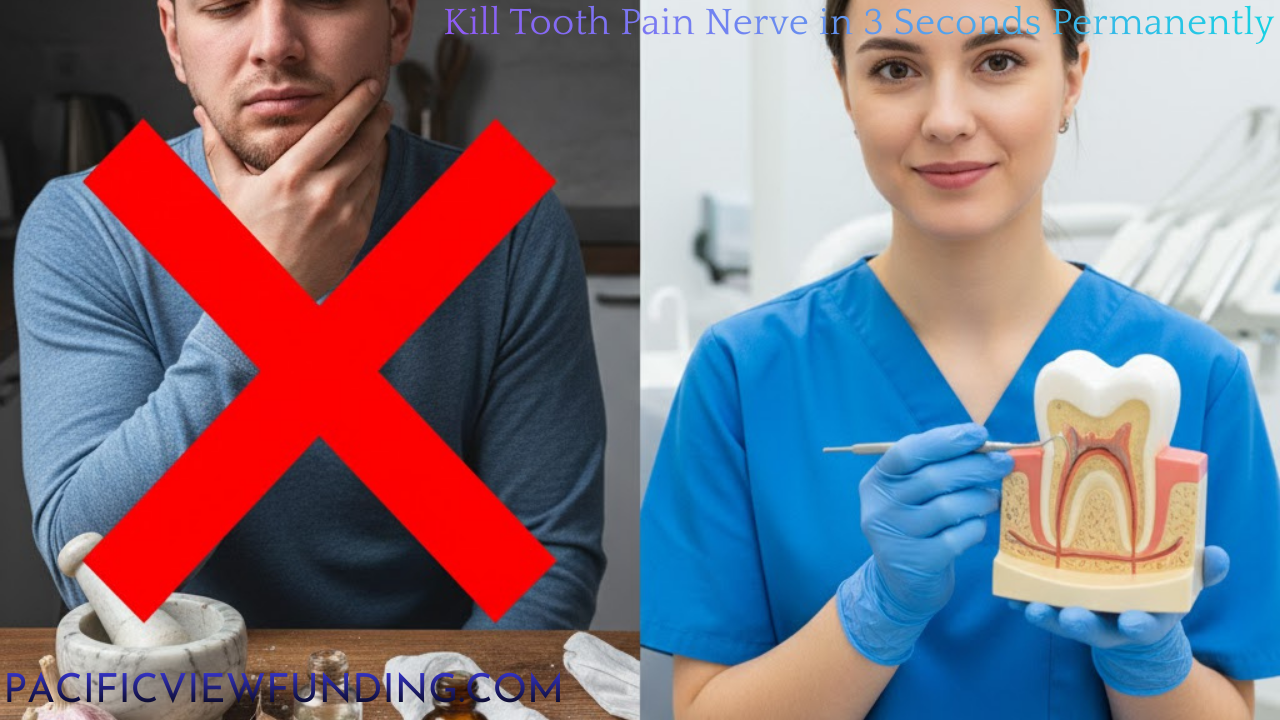
If you’re reading this, you’re likely in desperate search of relief. That throbbing, sharp, or constant ache in your tooth can feel all-consuming, making it hard to think about anything else. The search for a way to kill tooth pain nerve in 3 seconds permanently is a cry for immediate, lasting salvation from this agony. We hear you. And our first, most crucial duty is to tell you the honest truth: there is no safe, at-home method to permanently destroy a tooth’s nerve in three seconds.
This article will explain why that search is a myth, the serious dangers of attempting DIY nerve “killing,” and then provide you with the real, effective, and medically sound solutions to eliminate tooth pain for good. Understanding the problem is your first step toward genuine, lasting relief.
Understanding the Source: What is Tooth Nerve Pain?
Tooth pain, especially severe and persistent pain, usually indicates that the innermost part of your tooth, the pulp, is inflamed or infected. This pulp contains nerves, blood vessels, and connective tissue. When bacteria from deep decay, a crack, or repeated dental procedures reach this area, it leads to:
-
Pulpitis: Inflammation of the pulp. This can be reversible (if caught early) or irreversible.
-
Necrosis: Death of the pulp tissue.
-
Dental Abscess: An infection that spreads to the tip of the tooth root, forming a pus-filled pocket.
The nerve itself isn’t a separate entity you can simply target; it’s embedded within a living tissue system inside a hard shell (the tooth). The idea of a three-second permanent fix ignores this complex biological reality.
The Dangerous Myth of DIY Nerve “Killing”
Online forums and viral videos may suggest using household items like aspirin, alcohol, garlic, cloves, or even harsh chemicals placed directly on the tooth or gum to “kill the nerve.” These methods are not only ineffective for permanent relief but are also dangerously counterproductive.
-
Chemical Burns: Applying caustic substances can severely burn your gums, cheeks, and tongue, creating a second, more accessible source of pain.
-
Increased Infection: These methods do not sterilize the deep pulp chamber. They may irritate or superficially numb the area while the infection continues to grow, potentially spreading to your jawbone or bloodstream—a condition called sepsis, which can be life-threatening.
-
Tissue Damage: You can cause permanent damage to the surrounding soft tissues and bone.
-
Delayed Treatment: Masking the pain or causing additional damage leads you to delay seeing a dentist. What might have been solvable with a simple filling could escalate to a more complex and expensive procedure like a root canal or even tooth extraction.
What Can You Do for Immediate (Temporary) Relief?
While permanent solutions require a dental professional, you can safely manage the pain until your appointment. The goal here is pain management, not nerve destruction.
-
Over-the-Counter Pain Relievers: Ibuprofen (Advil, Motrin) or Naproxen (Aleve) are often more effective for dental pain than acetaminophen (Tylenol) because they reduce inflammation. Always follow label instructions and consult a pharmacist if you have health concerns.
-
Topical Anesthetic Gels: Products containing benzocaine (like Orajel) can numb the gum area around the tooth for short periods. Apply only as directed.
-
Cold Compress: Apply an ice pack wrapped in a towel to the outside of your cheek for 15-minute intervals. This constricts blood vessels, reducing swelling and throbbing.
-
Salt Water Rinse: Dissolve half a teaspoon of salt in a glass of warm water. Swish gently for 30 seconds. This is a natural disinfectant that can help draw out some fluid from inflamed tissues and cleanse the area.
-
Elevation: Keep your head elevated, even while sleeping. This reduces pressure in the blood vessels around the tooth, potentially lessening throbbing pain.
Remember: These are bridge strategies, not cures. The pain will return because the underlying problem remains untreated.
The Actual Permanent Solutions Performed by Dentists
A true permanent resolution to tooth nerve pain involves removing the source of the problem: the diseased pulp tissue. This is a sterile, precise medical procedure.
1. Root Canal Therapy (The Real “Nerve Removal”)
This is the standard, tooth-saving treatment for irreversible pulpitis or necrosis. Contrary to its painful reputation, a modern root canal is performed under local anesthesia and is no more uncomfortable than getting a filling.
-
The Process: The dentist creates a small opening in the tooth, removes the entire infected or dead pulp (nerve tissue), meticulously cleans, disinfects, and shapes the inner chambers, then fills and seals them with a biocompatible material.
-
The Result: The source of the pain is gone. The tooth is “dead” in the sense it has no living nerve, but it remains fully functional and is often capped with a crown for protection. This is the medically accurate way to “kill” a tooth’s nerve permanently.
2. Tooth Extraction (Removal)
In cases where the tooth is too damaged to save o kill tooth pain nerve in 3 seconds permanently (severe fracture, extreme decay), the dentist may recommend an extraction. The entire tooth, including the nerve, is removed.
-
Consideration: While it solves the pain, it creates a gap that can lead to shifting teeth, bite problems, and bone loss over time. Replacement options (implant, bridge) should be discussed.
Why You Must See a Dentist: The Risks of Ignoring Pain
Tooth nerve pain is a warning siren. Silencing it yourself without fixing the cause is like disconnecting a fire alarm while the house is still burning. Consequences include:
-
Spread of Infection: The infection can form an abscess at the root tip, leading to significant swelling in your face or jaw.
-
Bone Loss: The infection can eat away at the jawbone supporting the tooth.
-
Systemic Illness: Bacteria from a dental abscess can enter the bloodstream, potentially affecting your heart (endocarditis), brain, or other organs.
-
Increased Cost & Complexity: A simple infection treated early might need a root canal. Left untreated, it may require an extraction plus bone graft plus an implant—a far more involved and costly journey.
Your Path to a Permanent, Pain-Free Smile: A Strong Call to Action
The desire to kill tooth pain nerve in 3 seconds permanently is understandable, but the path to true, healthy relief lies in professional care. Don’t let fear, cost concerns, or the allure of a mythical quick fix jeopardize your health.
Your action plan right now is simple:
-
Acknowledge the Reality: Accept that this pain is a symptom requiring professional diagnosis and treatment.
-
Take Temporary Measures: Use the safe, temporary relief tips above to manage your discomfort.
-
Book an Appointment Immediately: This is the most important step. If you don’t have a regular dentist, search for an emergency dentist or an endodontist (root canal specialist) in your area. Many offices offer same-day appointments for emergencies.
-
Communicate: Tell the dentist everything: when the pain started, what it feels like (throbbing, sharp, sensitive to hot/cold), and what you’ve tried.
Your future self will thank you for taking decisive, intelligent action. Permanent pain relief is not about a dangerous three-second trick; it’s about a single, empowered decision to seek the right help. Make that decision today.