
 By Muzammil Abbasi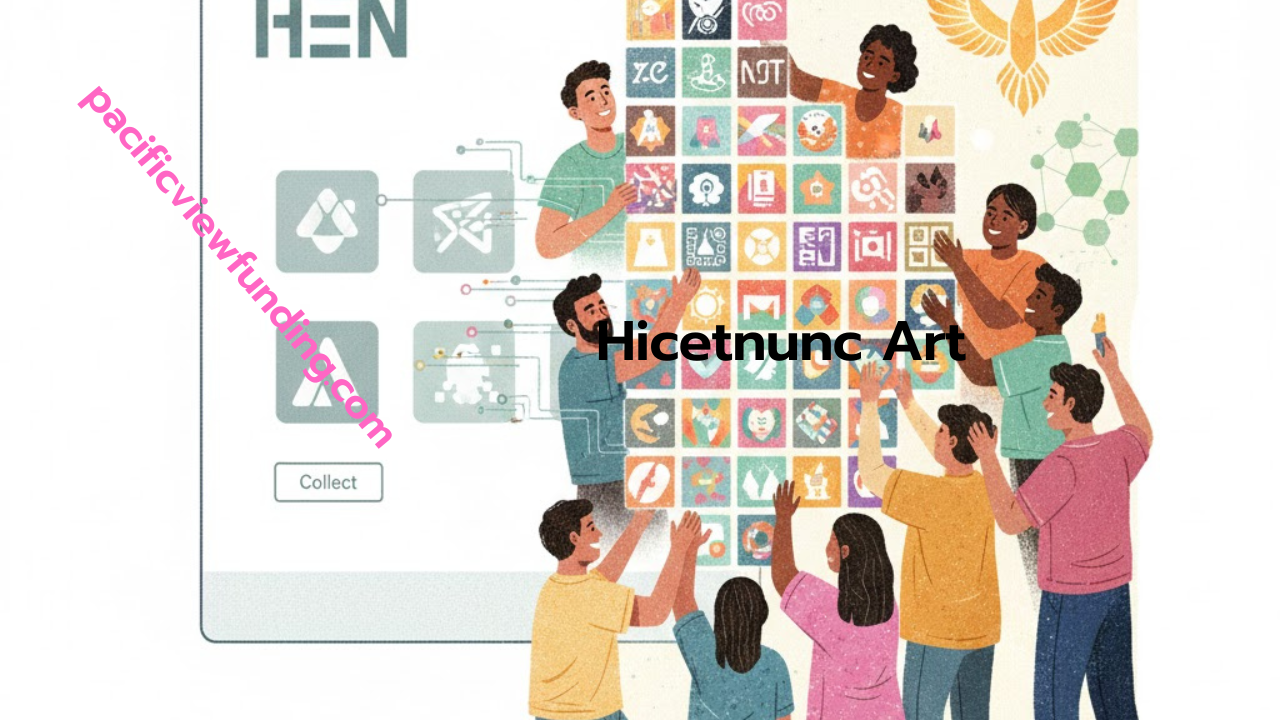
In the often exclusive and financially prohibitive world of non-fungible tokens (NFTs), one platform dared to be different. Hic et Nunc (HEN), whose Latin name translates to “Here and Now,” emerged not just as another marketplace but as a democratic art movement. Built on the eco-friendly Tezos blockchain, it offered a radically inclusive space where artists from the Global South, queer creators, and digital experimenters could thrive. Though its original website was abruptly shut down by its founder in late 2021, the spirit, community, and hundreds of thousands of artworks from Hic et Nunc live on, offering a powerful case study in the true promise of a decentralized web3.
This is the story of how a minimalist platform ignited a global creative revolution, the dramatic events that led to its transformation, and the enduring legacy of hicetnunc art.
The Genesis: A Platform for the Underrepresented
Hic et Nunc was launched on March 1, 2021, by Brazilian developer and artist Rafael Lima. His vision was straightforward yet revolutionary: to create a permissionless, low-cost platform where anyone could mint an NFT. At a time when minting on the Ethereum blockchain could cost over $100 in gas fees, HEN’s fees on Tezos were often less than a dollar. This economic accessibility was a game-changer.
For co-founder and community organizer Tais Koshino, the mission was deeply personal. As a Japanese-Brazilian lesbian artist, she sought a space where people from the Global South and queer communities could be active agents. The platform quickly filled a critical void. It became a vibrant, grassroots network where the only barrier to entry was creativity itself.
The growth was explosive. Within a week of launch, over 2,000 objects were created. By the end of March, the community celebrated 10,000 minted works. This wasn’t just about sales; it was about empowerment.
What Made Hicetnunc Art Unique?
Hic et Nunc stood apart from other NFT marketplaces in several key ways, cultivating a distinct culture that attracted a fervent community.
-
Radical Accessibility & Low Cost: Minting was cheap, often just a few cents. This allowed for incredible experimentation, as artists could try new ideas without financial risk.
-
Eco-Conscious Foundation: Built on Tezos, a proof-of-stake blockchain, HEN directly addressed the intense environmental criticism leveled at Ethereum’s proof-of-work model. Artists concerned about their carbon footprint could mint with a clear conscience.
-
A Minimalist, Art-First Design: The website’s interface was famously stark and cryptic, described by one user as feeling “like a piece of art unto itself”. There were no flashy rankings or celebrity features on the main page; the artwork was the sole focus.
-
A Culture of Community and Giving: Events like #OBJKT4OBJKT, initiated by Tais Koshino and Amelie Maia, embodied the platform’s ethos. It was a free, global swap meet where artists minted and gave away work, using a hashtag to create a visible, shared experience on Twitter. This fostered a culture of generosity rather than pure speculation.
-
Decentralized Resilience: Artworks (the media files) were stored on the InterPlanetary File System (IPFS), a decentralized storage network, while ownership records lived immutably on the Tezos blockchain. This technical architecture would later prove crucial to the platform’s survival.
The Sudden Shutdown: A Stress Test for Web3
In November 2021, the unthinkable happened. Founder Rafael Lima, reportedly overwhelmed and at odds with some directions the community was taking, abruptly discontinued the Hic et Nunc website.
AI artist Mario Klingemann called it an “irresponsible act of rage”.
However, what happened next became a legendary real-time demonstration of decentralization in action. . The front-end website was just one window into a decentralized ecosystem.
The Community Rises: Preserving the “Here and Now”
Almost immediately, the community mobilized. Developers launched mirror sites like ensuring continuous access to the marketplace. Collectors and projects like ClubNFT coordinated efforts to “pin” the IPFS files, guaranteeing the images themselves would remain accessible even if the original hosts vanished.
As artist and developer Matt DesLauriers wrote, this was the merit of web3 in practice: “users remain in control of their content and assets, rather than locking it into a centrally owned platform”. The half-million NFTs minted on HEN continued to be owned, traded, and collected. Their provenance was intact on the blockchain, untouched by the disappearance of the original website.
The Legacy Lives On: Teia and the Spirit of HEN
The shutdown did not destroy Hic et Nunc; it dispersed and evolved it. The community’s energy and ethos coalesced around new, community-governed platforms.
The primary successor is Teia (Portuguese for “web”). Run as a collective, Teia actively embodies the HEN spirit of inclusivity, community events, and charitable initiatives.
Other Tezos marketplaces like also host the vast legacy of HEN artworks and have grown into major hubs themselves. The original HEN smart contracts continue to facilitate trades to this day.
The Evolution of the Hic et Nunc Ecosystem
| Aspect | Hic et Nunc (Original) | Primary Successors (Teia, etc.) |
|---|---|---|
| Governance | Founder-led (centralized) | Community-led DAOs & collectives (decentralized) |
| Technical Status | Original front-end discontinued | Multiple active, community-run front-ends |
| Core Ethos | Accessibility, experimentation, inclusivity | Carries forward HEN’s ethos; focuses on community resilience |
| Artworks | Over 500,000 NFTs minted | All original HEN artworks preserved and tradable |
| Focus | Radical minimalism, “art-first” | Enhanced usability while maintaining community values |
How to Explore and Collect Hicetnunc Art Today
The world of hicetnunc art remains vibrant and accessible. Here’s how you can explore this pivotal chapter of digital art history:
-
Set Up a Tezos Wallet: Download a wallet like Temple or Kukai, which are designed for the Tezos ecosystem.
-
Acquire Some Tezos (XTZ): Purchase XTZ from an exchange like Coinbase or Kraken and send it to your wallet. You’ll need a small amount (often just a few dollars) to collect or mint.
-
Visit Successor Platforms: Go to to browse. You can search for “HEN” or explore collections to find the original artworks minted in 2021. These platforms also feature a wealth of new art continuing the experimental tradition.
-
Connect with the Community: The spirit of HEN lives on in social spaces. Engage with artists and collectors using hashtags like #TezosNFT and #CleanNFT on Twitter, or join dedicated Discord servers.
A Guide for New Artists Inspired by HEN
If you’re an artist inspired by this story, the path is open. The same principles of low-cost minting and community focus define the current Tezos NFT space. Start by minting a small edition of your work on Teia. Engage genuinely on social media, participate in community events, and support fellow artists.
The Enduring Impact of “Here and Now”
Hic et Nunc was more than a marketplace; it was a cultural phenomenon. It proved that NFTs could be a tool for radical inclusion and artistic empowerment, not just speculative assets. It gave a global voice to underrepresented artists and demonstrated, through its own dramatic evolution, the core resilience of decentralized technology.
Ready to explore the living legacy of this revolutionary movement? Visit rttoday to discover a world of affordable, groundbreaking digital art and become part of the community that continues to write this story.