
 By Muzammil Abbasi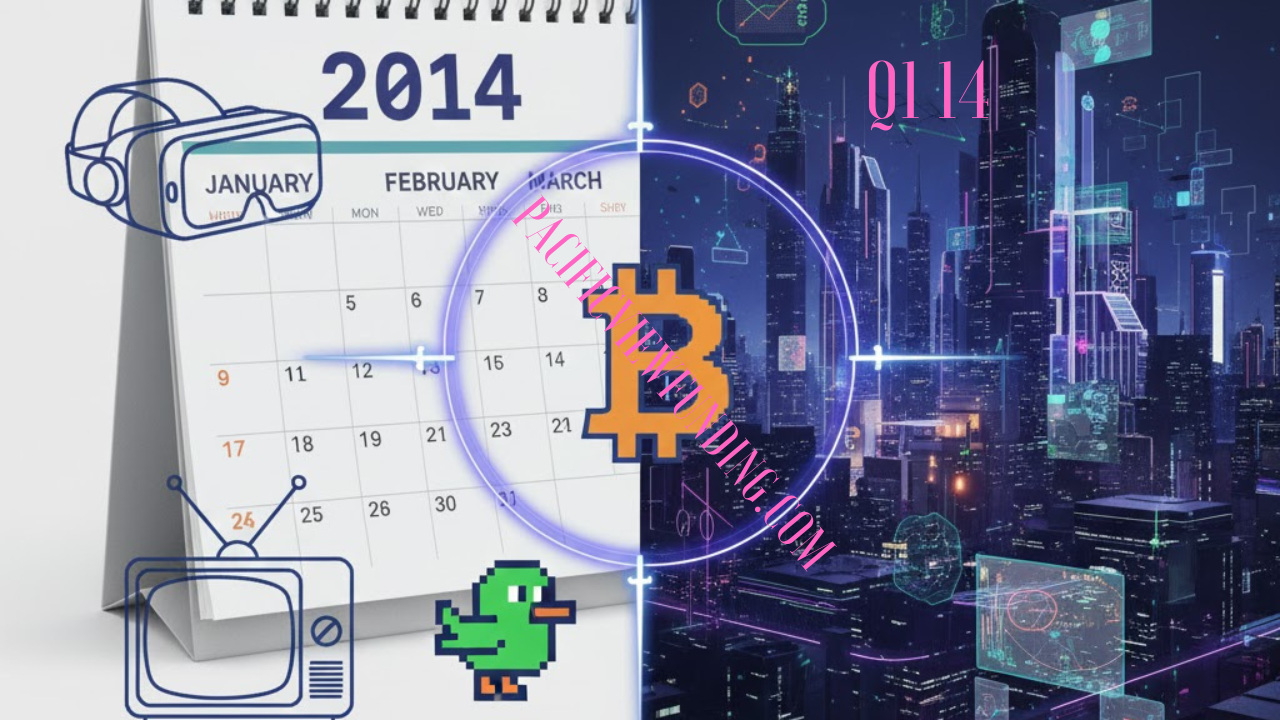
Look back at any period in history, and you’ll find a unique constellation of events that define its legacy. The first quarter of 2014—often abbreviated as Q1 14—was one such period. More than just a date on a calendar, it was a pivotal three-month stretch where technological ambition, cultural shifts, and global events intersected, setting trajectories we are still following today. This deep dive explores why Q1 2014 remains a fascinating case study in innovation, disruption, and the unpredictable nature of progress.
The Technological Tipping Point
If you were to pinpoint a moment when the future of tech became tangible for the mainstream, Q1 2014 would be a strong contender. This period was marked by major announcements and acquisitions that redefined industry landscapes.
The Social Media Pivot to the Future
In March 2014, a seismic event shook the tech world: Facebook announced its acquisition of Oculus VR for a staggering $2 billion. At the time, Oculus was a startup known for its pioneering virtual reality headset, the Rift, primarily popular with gamers and developers. The reaction was a mix of awe and skepticism. Critics wondered why a social media giant would invest so heavily in what seemed like a niche gaming peripheral.
Mark Zuckerberg’s vision, however, was clear. He didn’t see Oculus as just a gaming company. He called it a “new communication platform,” foreseeing a future where people would interact in shared virtual spaces. This move in Q1 14 wasn’t just an acquisition; it was a declaration. It signaled the beginning of the modern metaverse arms race and validated VR as a serious field of innovation, influencing everything from remote work to digital socializing a decade later.
The Cryptocurrency Awakening
While Bitcoin had been around since 2009, it was in early 2014 that it faced one of its first major crises and began its rocky path to mainstream awareness. The catastrophic collapse of Mt. Gox, once handling over 70% of all Bitcoin transactions, dominated headlines. In February 2014, the exchange suspended trading and filed for bankruptcy, losing hundreds of thousands of Bitcoins.
This event was a brutal stress test for the entire cryptocurrency concept. It exposed critical vulnerabilities in security, regulation, and custodianship. Paradoxically, while it was a disaster for many investors, it also forced a necessary maturation process. The fallout from Q1 2014 led to improved security protocols, the rise of more robust exchanges, and a broader conversation about the future of decentralized finance—a conversation that continues to evolve.
Business and Economic Crossroads
Beyond pure tech, the first quarter of 2014 was a period of significant economic recalibration and corporate strategy.
The Smartphone Wars Heat Up
The mobile landscape was fiercely competitive. Samsung launched its flagship Galaxy S5 in this quarter, doubling down on a strategy of feature-packed devices. Meanwhile, Apple was quietly preparing what would become the massively successful iPhone 6 later that year. The quarter also saw the continued rise of Chinese manufacturers like Xiaomi, which began its global expansion, signaling a shift in market power and competition that would define the decade.
A Glimpse of Retail’s Future
E-commerce continued its relentless growth. Amazon was solidifying its dominance, but Q1 2014 also saw significant investments in logistics and same-day delivery experiments. The lines between online and offline shopping were beginning to blur, setting the stage for the omnichannel retail experience consumers now expect as standard.
The Cultural Zeitgeist: What We Were Watching, Playing, and Feeling
The cultural outputs of Q1 2014 provide a snapshot of a world on the brink of today’s digital streaming and gaming dominance.
Television’s Golden Age Momentum
Early 2014 was a powerhouse period for TV. “True Detective” (Season 1) aired its philosophical, gritty finale in March, cementing the prestige anthology series model. “Game of Thrones” was building towards its explosive Season 4, and Netflix’s House of Cards was proving that streaming services could be award-winning content creators. This quarter reinforced the idea that television was the place for ambitious, cinematic storytelling.
The Flappy Bird Phenomenon
No discussion of Q1 2014 is complete without mentioning Flappy Bird. Vietnamese developer Dong Nguyen’s brutally simple mobile game became a global obsession in January and February. Its sudden, massive success—and Nguyen’s equally sudden decision to remove it from app stores in February—became a parable for viral fame, developer burnout, and the unpredictable app economy. It highlighted how a single individual could capture the world’s attention, a precursor to the influencer-driven trends of today.
Global Events and Unfolding Crises
The world stage in Q1 2014 was marked by events with profound and lasting consequences.
The Annexation of Crimea
In February and March 2014, Russia’s annexation of Crimea escalated geopolitical tensions to a level not seen since the Cold War. This event reshaped international relations, led to ongoing sanctions, and fundamentally altered the security architecture of Europe. The ripple effects of this Q1 14 event are acutely felt in global politics today.
The Search for Malaysia Airlines Flight 370
On March 8, 2014, Malaysia Airlines Flight 370 disappeared with 239 people on board. The unprecedented international search effort and the mystery surrounding its fate dominated global news for months. It was a sobering moment about the limits of technology (even in a hyper-connected world) and triggered major reforms in aviation tracking and safety protocols.
The Legacy of Q1 2014: Connecting the Dots to Today
Why does this quarter matter now? Because the seeds planted in early 2014 have grown into the defining trees of our current landscape.
-
The Metaverse Foundation: Facebook’s Oculus buy was the big bang for the commercial VR/AR race. Companies like Meta (formerly Facebook), Microsoft, and Apple are spending billions today based on a vision cemented in Q1 2014.
-
Crypto’s Baptism by Fire: The Mt. Gox collapse was a painful but necessary growing pain. It taught hard lessons about security and regulation that every crypto project and investor now grapples with.
-
The Content Economy: The success of streaming originals and viral mobile games in this quarter demonstrated the power of direct-to-consumer digital content, paving the way for the subscription and micro-transaction models that dominate media and gaming.
-
A New Geopolitical Reality: The events in Crimea marked a definitive end to the post-Cold War era, ushering in a period of renewed great-power competition.
Frequently Asked Questions (FAQs) About Q1 2014
Q: What does “Q1 14” actually mean?
A: It is a common business and financial abbreviation for the first quarter of the year 2014, covering the months of January, February, and March.
Q: What was the most significant tech event of Q1 2014?
A: While subjective, Facebook’s $2 billion acquisition of Oculus VR stands out for its long-term impact, fundamentally altering the strategic direction of a tech giant and kickstarting the modern VR industry.
Q: Why is the Flappy Bird story so memorable from this period?
A: It epitomized the viral, unpredictable potential of the mobile app store. Its rapid rise and the developer’s intentional removal highlighted new dynamics of fame, mental health, and the economics of simple digital goods.
Q: How did Q1 2014 affect the future of cryptocurrency?
A: The collapse of the Mt. Gox exchange was a catastrophic event that forced the entire cryptocurrency ecosystem to confront serious issues of security, trust, and regulation, leading to more robust (though still evolving) infrastructure.
Q: Was there a major product launch in Q1 2014 that is still relevant?
A: The Samsung Galaxy S5 launch was major, but its legacy is more evolutionary. The more enduring “launch” was the strategic shift by companies like Facebook, which set the stage for product categories that are still developing.
Conclusion: More Than Just a Date in the Past
Q1 2014 was not about a single, earth-shattering invention. Instead, it was a catalyst quarter—a time when underlying trends in technology, culture, and global affairs accelerated and became visible. It reminds us that the present is often built on the foundational decisions and chance events of a seemingly ordinary past.
By examining these pivotal moments, we gain a clearer understanding of how our digital and real-world environments were shaped. The lessons from that quarter—about the risks of new technology, the power of visionary investment, and the unpredictable nature of global events—remain incredibly relevant as we navigate the next wave of innovation.
What do you remember most from that time? Do you see a direct line from an event in early 2014 to your work or life today? Share your thoughts and reflections in the comments below—let’s discuss how this formative quarter influenced the world we live in now.