
 By Muzammil Abbasi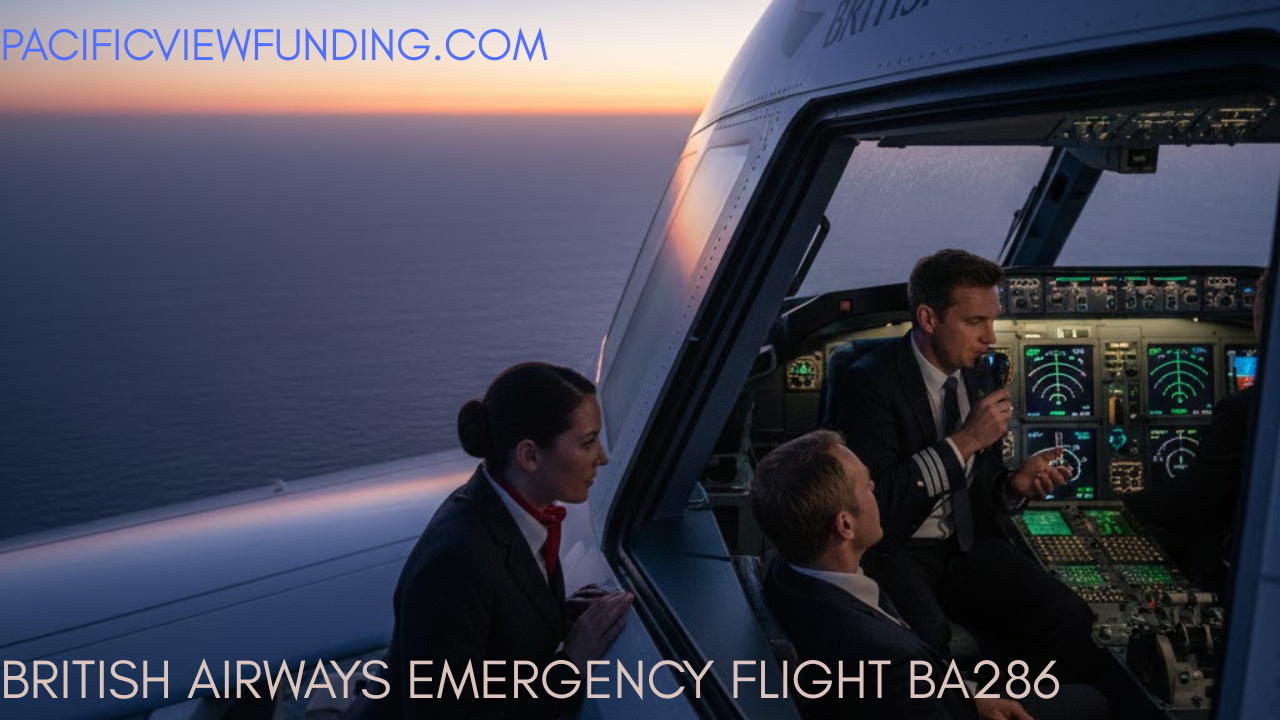
On May 27, 2025, a routine transatlantic journey transformed into a high-stakes emergency, putting British Airways’ protocols and crew training to the test. British Airways Flight BA286, an Airbus A380 en route from San Francisco to London, declared a general emergency, transmitting the universal distress code Squawk 7700 over the North Atlantic Ocean. This incident highlights the sophisticated, layered safety systems that modern aviation relies upon to protect passengers, even in the most remote airspace.
The crew’s calm and professional handling of the crisis, supported by ground-based medical experts, ensured the aircraft landed safely at its intended destination, London Heathrow, without injury.
The following table summarizes the key details of the incident:
| Aspect | Details |
|---|---|
| Flight Number | BA286 |
| Date of Incident | May 27, 2025 |
| Aircraft | Airbus A380-800 (Tail Number: G-XLEG) |
| Route | San Francisco (SFO) to London Heathrow (LHR) |
| Nature of Emergency | Serious passenger medical emergency |
| Emergency Action | Declaration of Squawk 7700 for priority handling |
| Outcome | Safe continuation to and landing at London Heathrow |
1 The Chronology of an In-Flight Emergency
The incident unfolded during the overnight sector of a long-haul flight. British Airways Flight BA286 had departed San Francisco as scheduled on the evening of May 26, 2025, and was cruising over the North Atlantic when the medical emergency occurred.
-
The Critical Decision: Upon assessing the passenger’s condition, the flight crew immediately declared an emergency by setting their transponder to Squawk 7700. This universal code alerts air traffic control (ATC) that an aircraft requires immediate priority and assistance but does not specify the nature of the problem.
-
Assessment and Coordination: The cabin crew, trained extensively in first aid and emergency response, began administering medical aid to the affected passenger. Simultaneously, the pilots consulted with ground-based medical professionals via the airline’s telemedicine service. This real-time link allows specialists to advise the crew and help the captain make a critical decision: whether to divert immediately or continue to the planned destination.
-
The Choice to Continue: After stabilization efforts and consultation, the captain decided it was safest to continue the journey to London Heathrow. This decision was based on several factors: the passenger’s condition had been stabilized onboard, continuing the flight avoided the added complexity and potential stress of a diversion for all passengers, and Heathrow offered world-class medical facilities ready to receive the patient immediately upon arrival.
2 Behind the Scenes: Anatomy of a “Squawk 7700” Response
The declaration of an emergency activates a seamless, well-rehearsed chain of command involving the crew, airline operations, and air traffic control.
2.1 The Crew’s Critical Role
The flight crew is the first line of defense. Their training focuses on filtering numerous alerts to identify the core issue and execute predefined procedures. The cabin crew simultaneously secures the cabin, attends to the medical emergency using onboard equipment like Automated External Defibrillators (AEDs) and emergency oxygen, and works to maintain a calm environment for other passengers.
2.2 Ground Coordination and Airport Readiness
Once Squawk 7700 is set, air traffic controllers across relevant sectors are alerted. They work to clear surrounding airspace and provide the aircraft with a direct, prioritized routing to its destination. On the ground, British Airways’ operations center and the emergency services at London Heathrow swing into action.
The sight of emergency vehicles lining the runway can be alarming for passengers, but it is a standard, precautionary part of this well-orchestrated response, ensuring help is seconds away if needed.
3 Passenger Rights and Airline Responsibilities
When a flight is disrupted by an emergency, passengers are entitled to specific forms of assistance, though compensation rules differ.
-
Care and Assistance: Under regulations like UK Regulation 261, airlines are obligated to provide care to passengers affected by disruptions. This typically includes meals, refreshments, hotel accommodation if an overnight stay becomes necessary, and transport between the hotel and airport. British Airways arranged such support for passengers following this incident.
-
The Compensation Distinction: It is important to understand that a medical emergency is classified as an “extraordinary circumstance” outside the airline’s control. Therefore, while the airline must provide care and assistance, it is not legally required to pay financial compensation for the delay or disruption under these regulations.
-
Practical Advice for Passengers: If you find yourself in a similar situation, it is advisable to keep all travel documents, boarding passes, and receipts for any necessary extra expenses.
4 The Bigger Picture: Aviation Safety in Action
The handling of BA286’s emergency is not an isolated success but a result of continuous global investment in aviation safety.
4.1 Learning from Every Incident
Every emergency is meticulously investigated by bodies like the UK’s Air Accidents Investigation Branch (AAIB). The goal is not to assign blame but to understand the “why” and share findings globally. A technical fault or procedural lesson from one airline is turned into a safety bulletin for all, driving continuous improvement across the industry.
4.2 The Culture of Precaution
Airlines like British Airways operate with a conservative safety culture. This means they will often choose to divert or land as a precaution if a system shows signs of degradation, long before it becomes a critical failure. This “precautionary diversion” philosophy prioritizes passenger safety over schedule or cost, reflecting the understanding that the financial and reputational cost of an accident far outweighs the expense of a diversion.
| Type of In-Flight Emergency | Typical Immediate Actions | Common Outcome |
|---|---|---|
| Serious Medical Emergency | Administer aid, consult ground medics, declare Squawk 7700. | Often continue to destination if condition stabilizes and facilities are adequate; otherwise, divert to nearest suitable airport. |
| Technical / Mechanical Issue | Crew diagnostics, follow checklists, assess safety margins. | Precautionary diversion to nearest suitable airport for inspection. |
| Cabin Pressure Issue (“Fume Event”) | Deploy passenger oxygen masks, initiate emergency descent. | Immediate diversion and landing at nearest airport due to physiological risk. |
4.3 The Future of Flight Safety
Aviation is moving toward predictive “smart” systems that can forecast potential failures before they happen, potentially reducing emergency declarations. However, the unpredictable human and environmental elements of flight ensure that robust emergency response protocols will always be a cornerstone of air travel safety.
The story of British Airways emergency flight BA286 is ultimately one of reassurance. It demonstrates that behind the routine of a long-haul flight lies an immense, coordinated safety infrastructure designed for the unexpected. From the trained professionals in the cockpit and cabin to the global networks of ATC and maintenance, multiple systems converged to ensure a safe outcome, reaffirming why flying remains one of the safest modes of travel.