
 By Muzammil Abbasi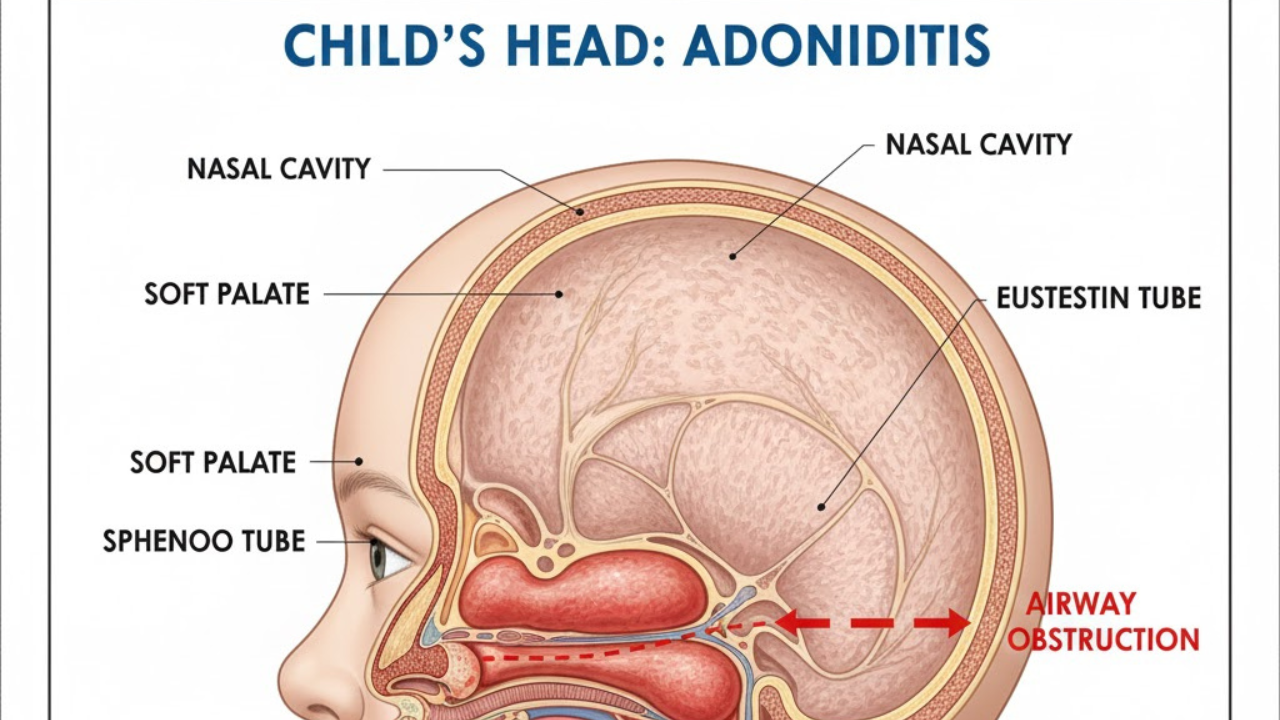
Adenoiditis might not be a term you hear every day, but it’s an issue that affects many children and sometimes adults too. When the adenoids—small glands located at the back of the nasal cavity—become inflamed, they can lead to discomfort and a range of health challenges. Understanding this condition is crucial for parents and individuals alike, especially since it can impact sleep, breathing, and overall well-being. In this blog post, we’ll dive into what Adenoiditis is all about: its causes, symptoms to watch for, treatment options available, and lifestyle changes that may help manage or prevent further issues. Join us as we uncover everything you need to know about Adenoiditis!
What is Adenoiditis?
Adenoiditis is the inflammation of the adenoids, which are small lymphatic tissues located at the back of the nasal cavity. These glands play a role in your immune system, helping to trap germs and viruses that enter through your nose and mouth.
When these tissues become swollen or infected, it can lead to various health issues. Adenoiditis often occurs due to viral or bacterial infections, making it more common during cold and flu season.
Children are particularly susceptible since their adenoids tend to be larger relative to their overall size. In some cases, lingering inflammation can cause breathing difficulties, sleep disturbances, and even ear infections if left untreated.
Understanding this condition is essential for addressing any related symptoms early on. Awareness allows parents and individuals alike to seek timely medical advice when necessary.
Causes of Adenoiditis
Adenoiditis occurs when the adenoids, small glands located at the back of the nasal cavity, become inflamed. This inflammation can arise from various causes.
Viral infections are often primary culprits. Common colds and flu can trigger an overactive immune response in this area. Bacterial infections may also play a role, with streptococcus being one of the usual suspects.
Allergies contribute significantly to adenoiditis as well. Environmental allergens like pollen and dust mites can lead to chronic irritation and swelling of the adenoids.
Frequent respiratory illnesses during childhood increase vulnerability too. Young children are particularly susceptible due to their developing immune systems.
Exposure to secondhand smoke is another risk factor that shouldn’t be overlooked. It irritates sensitive tissues in the throat and nasal passages, heightening inflammation risks.
Symptoms of Adenoiditis
Adenoiditis often manifests through various symptoms that can be distressing for both children and parents. One common sign is a persistent nasal congestion, making it difficult to breathe comfortably through the nose.
Frequent ear infections may also occur. This happens because swollen adenoids can block Eustachian tubes, leading to fluid buildup in the middle ear.
You might notice a change in your child’s voice too. A nasal quality or “hot potato” speech pattern may develop as they struggle with airflow.
Sleep disturbances are another hallmark symptom. Snoring or sleep apnea can arise due to enlarged adenoids obstructing the airway during sleep.
Fever and sore throat often accompany adenovirus infections connected to adenoiditis. If these symptoms persist or worsen, seeking medical advice is essential for effective management of this condition.
Diagnosing Adenoiditis
Diagnosing adenoiditis typically begins with a thorough medical history. Your healthcare provider will ask about symptoms, duration, and any recent illnesses.
A physical examination follows, often involving an inspection of the throat and nasal passages. In some cases, doctors may use a small flashlight or endoscope to get a closer view of the adenoids.
Imaging tests like X-rays or CT scans can help visualize inflammation or enlargement in more severe cases. These tools provide valuable information if complications arise.
Allergy testing might also be recommended to identify underlying triggers contributing to recurrent infections. This holistic approach ensures that all factors are considered for accurate diagnosis.
Understanding the specific characteristics of your condition is essential for effective treatment planning and management moving forward.
Treatment Options for Adenoiditis
Treatment for adenoiditis often begins with conservative measures. Doctors may recommend over-the-counter pain relievers to ease discomfort and reduce fever.
If symptoms persist, antibiotics might be prescribed, especially if a bacterial infection is suspected. It’s important to complete the entire course of medication for effectiveness.
In more severe cases or when frequent infections occur, surgical removal of the adenoids could be necessary. This procedure, known as adenoidectomy, can provide significant relief from recurring symptoms.
Additionally, using a humidifier in your child’s room can help keep airways moist and alleviate congestion. Regular saline nasal sprays are another effective method to clear mucus buildup.
Consulting with healthcare professionals is essential in determining the best approach tailored to individual needs and circumstances. Each case of adenoiditis varies; thus personalized treatment plans can lead to better outcomes.
Lifestyle Changes to Manage or Prevent Adenoiditis
Adopting simple lifestyle changes can significantly impact the management and prevention of adenoiditis. A balanced diet rich in vitamins, particularly vitamin C, supports immune health. Foods like citrus fruits, leafy greens, and nuts can bolster your body’s defenses against infections.
Staying hydrated is essential too. Drinking plenty of water helps thin mucus secretions and keeps the throat moist, reducing irritation. Encourage children to sip fluids throughout the day.
Good hygiene practices play a crucial role as well. Regular handwashing prevents the spread of germs that could lead to respiratory infections contributing to adenoid issues.
Creating an allergen-free environment can also be beneficial. Reducing exposure to dust mites, pet dander, and pollen may decrease inflammation around the adenoids.
Ensuring adequate sleep promotes overall wellness while supporting a robust immune response against potential triggers of adenoiditis.
Complications and Long-term Effects of Untreated Adenoiditis
Untreated adenoiditis can lead to several complications that affect both health and quality of life. Chronic inflammation in the adenoids may result in breathing issues, particularly during sleep. This often leads to obstructive sleep apnea, which disrupts restful sleep.
Additionally, recurrent infections can occur if bacteria collect around swollen adenoids. These persistent infections may cause ear problems such as otitis media, leading to hearing difficulties or even speech delays in children.
Long-term effects might also include changes in facial structure due to prolonged mouth breathing. Kids with untreated adenoiditis often develop a characteristic “adenoid face,” where their bite and jaw alignment are affected.
Socially and emotionally, children may experience challenges related to chronic discomfort or fatigue from disturbed sleep patterns. They might struggle at school or avoid activities they once enjoyed due to constant illness.
Conclusion
Adenoiditis is a condition that can significantly impact the quality of life, especially for children. Understanding its causes, symptoms, and treatment options empowers parents and caregivers to seek timely medical intervention. Early diagnosis can help manage symptoms effectively and prevent complications.
By incorporating lifestyle changes such as proper hygiene practices and avoiding allergens, one can reduce the risk of recurring infections. Being aware of potential long-term effects highlights the importance of addressing this condition promptly.
Staying informed about adenoiditis promotes better health outcomes for those affected. Whether it’s through medical guidance or self-care measures, taking proactive steps makes a difference in managing this common yet often overlooked illness.