
 By Muzammil Abbasi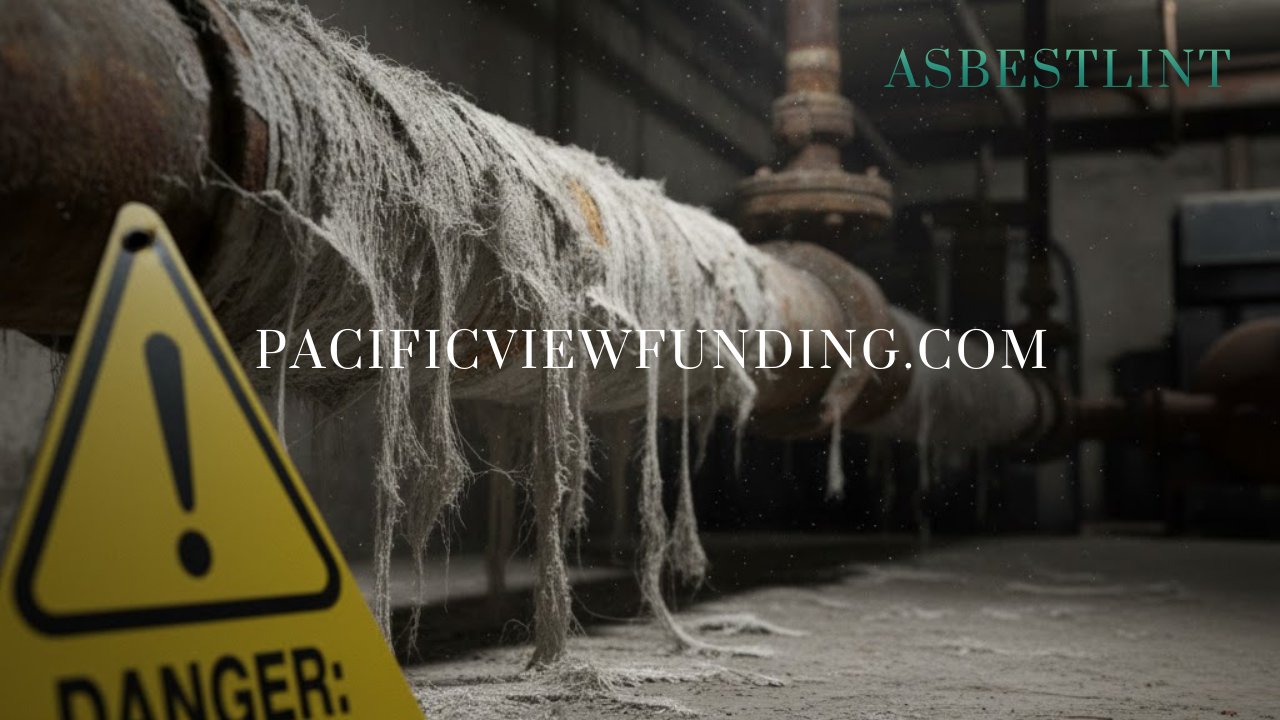
For many homeowners and renovators, the charm of an older building comes with a hidden legacy: materials that we now know are hazardous to our health. Among these, asbestlint—a Swedish term meaning “asbestos tape”—represents a common yet often overlooked danger. This seemingly innocuous material, once praised for its durability and heat resistance, is now a significant concern for anyone involved in the maintenance, renovation, or demolition of properties built before the 1980s.
Understanding what asbestlint is, where it can be found, and how to manage it safely is not just a matter of home maintenance; it’s a critical component of protecting your health and the health of your family. This comprehensive guide will demystify this hazardous material, equipping you with the knowledge to identify risks and take appropriate action.
What Exactly is Asbestlint?
Asbestlint, or asbestos tape, is a material that was manufactured by weaving asbestos fibers into a flexible, tape-like form. Its remarkable properties made it a go-to solution in various industrial and domestic applications for decades.
Asbestos is a naturally occurring mineral fiber that is:
-
Heat resistant: It can withstand extremely high temperatures without burning.
-
Strong and durable: The fibers are incredibly resilient and long-lasting.
-
Flexible: When woven into materials like cloth or tape, it becomes pliable and easy to work with.
-
Poor conductor of electricity: This made it useful for electrical insulation.
These characteristics made asbestos tape an ideal choice for insulation and sealing in high-temperature environments. However, these same properties become a severe liability when the material ages or is disturbed.
The Primary Uses and Common Locations of Asbestlint
Asbestlint was used extensively throughout the 20th century. Its primary purpose was to seal and insulate areas that were exposed to high heat. If you own or are working on a building constructed before 1980, you should be vigilant for asbestlint in the following locations:
-
Around Heating Systems: The most common place to find asbestlint is wrapped around the joints and seams of heating ducts, especially in warm air heating systems. It was used to create an airtight seal and prevent heat loss.
-
Pipe Lagging: It was often wrapped around hot water pipes and boilers as part of the insulation system, sometimes underneath other insulation materials.
-
Wood Stoves and Fireplaces: The tape was used to seal the joints where stove pipes connect to chimneys or to insulate the flue pipe itself.
-
Electrical Installations: Older electrical wiring, fuse boxes, and other high-temperature electrical components might be insulated with asbestos cloth or tape.
The key to understanding the risk lies in the material’s composition. When intact and undisturbed, asbestlint may pose a relatively low risk. The danger escalates dramatically when the material becomes friable—meaning it can be easily crumbled by hand, releasing microscopic asbestos fibers into the air.
The Severe Health Risks of Asbestos Exposure
The reason asbestlint is treated with such extreme caution is the direct and well-documented link between asbestos exposure and serious, often fatal, diseases. When asbestos-containing materials are disturbed, they release invisible, inhalable fibers.
Once inhaled, these microscopic, needle-like fibers can become lodged in the lungs and surrounding tissues. The body struggles to expel them, leading to inflammation, scarring, and genetic damage over many years. This long latency period means that diseases often don’t appear until 20 to 50 years after exposure.
The primary diseases caused by asbestos exposure are:
-
Mesothelioma: A rare and aggressive form of cancer that almost exclusively linked to asbestos exposure. It affects the lining of the lungs (pleura) or abdomen (peritoneum) and is incurable.
-
Lung Cancer: Asbestos exposure significantly increases the risk of lung cancer, with the risk being much higher for smokers who are also exposed to asbestos.
-
Asbestosis: A chronic lung disease caused by the scarring of lung tissue. This scarring leads to progressive, irreversible shortness of breath and can be debilitating.
There is no safe level of exposure to asbestos. While prolonged exposure increases the risk, even short-term exposure during a single home renovation project can be hazardous if proper precautions are not taken.
How to Identify Potential Asbestlint in Your Home
Identifying asbestlint with certainty requires professional testing, but you can look for visual clues. The tape often appears as a whitish-grey or off-white fabric, typically about 2-5 centimeters wide. It may be wrapped in a spiral pattern around pipes or ducts and can be covered in a chalky, white dust.
Over time, it can become brittle, frayed, or damaged. If you see a fabric tape that looks old and is located near a heat source, the safest course of action is to assume it contains asbestos until proven otherwise.
Table: Timeline of Asbestos and Asbestlint Use
| Era | Status of Asbestlint |
|---|---|
| Pre-1980s | Widespread Use: Commonly used in construction and industrial applications with little to no regulation. |
| 1980s | Phase-Out Begins: Health risks become widely known, and many countries begin banning or restricting its use. |
| Present Day | Strictly Regulated: Banned in over 60 countries. Its management and removal are governed by strict safety protocols. |
What to Do If You Discover Suspected Asbestlint
Finding a material you suspect is asbestlint can be alarming, but it’s crucial to remain calm and avoid actions that could create a hazard. Follow these steps immediately:
-
DO NOT DISTURB IT. The most important rule is to leave it alone. Do not touch, poke, pull, or tear the material. Do not sweep or vacuum the area, as this will stir fibers into the air.
-
RESTRICT ACCESS. If possible, limit access to the area where the material is located, especially keeping children and pets away.
-
LEAVE ASSESSMENT TO THE PROFESSIONALS. Asbestos assessment and removal is not a DIY project. The risks are far too high. You must contact a licensed asbestos surveyor or consultant.
A certified professional will take a small sample for analysis in an accredited laboratory. This is the only way to confirm the presence of asbestos fibers definitively.
The Safe Removal Process: Why Professionals are Essential
If laboratory testing confirms the presence of asbestos, the next step is to plan for its management or removal. Professional asbestos abatement is a highly specialized process designed to contain and remove the hazardous material without contaminating the rest of the building.
A certified asbestos removal company will typically follow this process:
-
Sealing the Area: They will create an airtight containment zone using plastic sheeting and negative air pressure machines, which prevent fibers from escaping.
-
Using Personal Protective Equipment (PPE): Technicians will wear full-body suits and powered respirators to protect themselves.
-
Careful Removal: The asbestlint will be carefully wetted down with amended water (water with a wetting agent) to suppress dust before and during removal.
-
Safe Disposal: All removed asbestos materials are sealed in clearly labeled, leak-tight containers and transported to a licensed hazardous waste disposal facility.
Attempting to remove asbestlint yourself to save money is a false economy.
Conclusion: Knowledge is Your Best Protection
Asbestlint is a relic of a time when the long-term health effects of building materials were not fully understood. While its presence in an older home can be concerning, it can be managed safely and effectively. The key is respect for the material and a commitment to following established safety protocols.
Ignorance is the real danger. By educating yourself about the risks of asbestos tape, learning to identify its potential locations, and understanding the absolute necessity of professional intervention, you can protect your investment, your health, and your future. Do not let a hidden hazard from the past dictate your well-being in the present.