
 By Muzammil Abbasi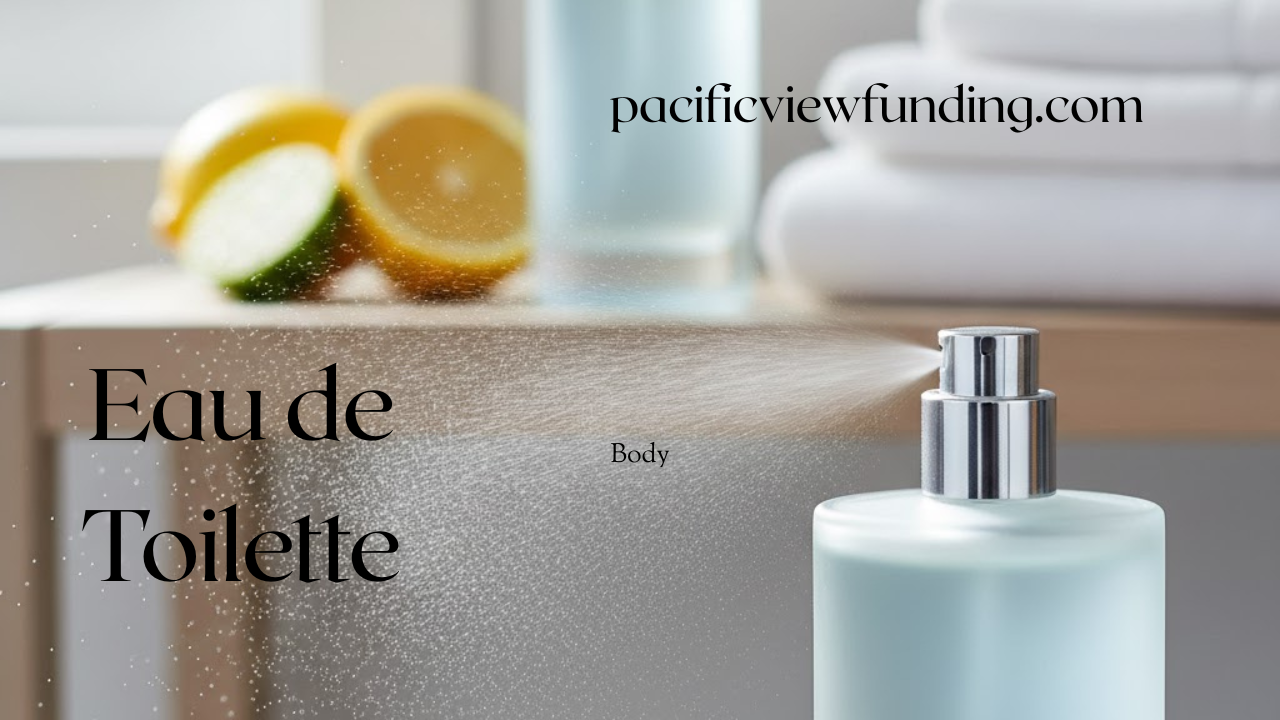
For many, the world of fragrance begins with a single, evocative spray of eau de toilette. It’s a term seen on countless bottles lining department store shelves and boutique perfumeries, yet its true meaning and unique position in the fragrance hierarchy are often misunderstood. Is it weaker than perfume? Is it just for men? When should you wear it? This comprehensive guide dives deep into the refreshing realm of eau de toilette, exploring its history, its characteristics, and its undeniable role as the workhorse of modern fragrance.
What Exactly is Eau de Toilette?
Let’s start with the basics. Eau de toilette (often abbreviated as EDT) is a specific fragrance concentration. This term refers to the percentage of pure perfume oil (the fragrant essence) dissolved in a solvent, which is typically alcohol and water.
The concentration of perfume oil in an eau de toilette typically ranges from 5% to 15%. This places it squarely between the lighter eau de cologne (2-5% oil) and the more intense eau de parfum (15-20%) and parfum or extrait (20-30% and above).
The term itself has charming historical roots. Translated directly from French, “eau de toilette” means “toilet water,” but this is a misleading translation for the modern era. “Toilette” here refers to the French term for “getting ready” or “grooming.” Originating in the 14th century, it described a scented water used during the grooming process—a refreshing spritz to awaken the senses and impart a subtle aura of freshness.
Eau de Toilette vs. Eau de Parfum: Choosing Your Intensity
The most common point of confusion is the difference between eau de toilette and eau de parfum (EDP). It’s not a matter of quality, but one of intensity, longevity, and projection.
-
Sillage & Projection: Eau de toilette generally has a lighter sillage (the scent trail you leave behind). Its projection—how far the scent radiates from your skin—is often more intimate and subtle.
-
Longevity: Due to its lower oil concentration, a typical EDT will last anywhere from 3 to 6 hours on the skin. This can vary dramatically based on the fragrance notes, your skin chemistry, and even the climate.
-
Eau de Parfum, with its higher oil content, will usually project more strongly and last longer, often 6 to 10 hours or more.
Think of it this way: An eau de parfum is a statement piece—a bold accessory. An eau de toilette is your favorite, perfectly tailored shirt—versatile, reliable, and effortlessly appropriate for a wider range of occasions.
The Unique Advantages of Choosing an Eau de Toilette
Why choose an EDT when stronger concentrations exist? The strengths of this classic formulation are numerous:
-
Ideal for Daytime & Office Wear: Its lighter footprint makes it perfect for close-quarters environments like offices, meetings, or classrooms. It’s subtle enough to be appreciated without overwhelming.
-
Superior for Warmer Weather: The brighter, often citrus or herbal notes prevalent in many eau de toilette fragrances are perfect for spring and summer. They feel refreshing and evaporate in a pleasing way in the heat, unlike some heavier, sweeter EDPs that can become cloying.
-
Exploration & Versatility: Because EDTs are often (though not always) more affordable than their EDP counterparts, they are a fantastic gateway for exploring new scent families and brands without a major commitment.
-
Reapplication Ritual: The shorter longevity can be seen as a benefit. It allows for the enjoyable ritual of reapplying your scent midday, refreshing both your fragrance and your mood.
-
Layering Potential: The lighter nature of an eau de toilette makes it an excellent candidate for layering with unscented lotions or even complementary-scented products from the same line to subtly boost its staying power.
How to Choose Your Signature Eau de Toilette
Selecting a fragrance is a personal journey. Here’s a structured approach to finding an eau de toilette that resonates with you.
1. Understand Fragrance Notes & Families
Fragrances are built in layers, often described as a pyramid:
-
Top Notes: Your first impression. Light, volatile notes like citrus, bergamot, herbs, or light fruits that evaporate quickly (15-30 minutes).
-
Heart/Middle Notes: The core character of the scent. These emerge as the top notes fade and include fuller-bodied aromas like florals, spices, or green notes.
-
Base Notes: The foundation. These rich, deep notes (like woods, musk, amber, vanilla) appear last and provide lasting depth and longevity.
Popular eau de toilette families include:
-
Citrus & Fresh: Invigorating blends of lemon, bergamot, grapefruit. (Think: classic colognes).
-
Floral: Single-note or bouquets of rose, jasmine, lily. Common in both feminine and unisex EDTs.
-
Woody: Warm, dry scents featuring sandalwood, cedar, vetiver, and patchouli.
-
Aromatic: Herbaceous blends with lavender, rosemary, or sage, often paired with citrus.
-
Fougère: A classic “fern-like” accord built on lavender, coumarin, and oakmoss—a cornerstone of masculine eau de toilette.
2. Test on Your Skin
Never judge a fragrance solely by its paper strip. Spray it on your wrist or inner elbow. Your skin’s unique pH, temperature, and chemistry will alter the scent, a phenomenon known as skin chemistry. Wear it for several hours to experience its full evolution from top notes to dry down.
3. Consider Your Lifestyle & Season
Are you looking for an everyday scent or a special occasion fragrance? Do you live in a hot climate? Your answers will guide you towards lighter citrus/aquatic or warmer woody/spicy compositions.
Tips for Applying Eau de Toilette to Maximize Longevity
To get the most out of your eau de toilette, application is key.
-
Target Pulse Points: Apply to areas where blood vessels are close to the skin, generating warmth that helps diffuse the scent: wrists, inner elbows, base of the throat, behind the ears and knees.
-
Moisturize First: Apply your fragrance to hydrated skin. Unscented moisturizer or a fragrance-free lotion creates a better, longer-lasting bond than dry skin.
-
Don’t Rub, Just Spray: The old habit of rubbing wrists together damages the top notes and can make the scent fade faster. Simply spray and let it dry naturally.
-
Hair & Clothing: A light spritz on your hair or clothing can help the scent linger, as these materials hold fragrance well. Always do a patch test on fabric first.
-
The “Fragrance Cloud” Method: For an even, subtle application, spray once into the air in front of you and walk through the mist.
Debunking Common Eau de Toilette Myths
-
Myth 1: Eau de Toilette is only for men. Absolutely not. While many classic masculine scents are in EDT concentration, the term refers only to strength. Countless iconic feminine and unisex scents are also formulated as eau de toilette.
-
Myth 2: It’s inferior to Eau de Parfum. It’s different, not inferior. It serves a different purpose. A masterful EDT is a work of perfumery art, often prized for its sparkling, effervescent quality that can be lost in a denser EDP.
-
Myth 3: It doesn’t last at all. While it may not last a full 12 hours, a well-crafted EDT from a quality house will have a distinct and pleasing lifespan. The key is managing expectations and appreciating its specific character.
A Timeless Choice in a World of Scents
In an era of powerful, long-lasting extraits, the eau de toilette remains a beloved and essential fragrance category. It represents accessibility, freshness, and a certain elegant discretion. It’s the scent for starting your day, for feeling refreshed, and for leaving a hint—not an announcement—of your presence.
Whether you’re a fragrance novice seeking your first signature scent or a seasoned enthusiast appreciating the art of a perfectly balanced, lighter composition, the world of eau de toilette offers endless discovery. It reminds us that sometimes, the most compelling statement is made with a soft, nuanced whisper.
Ready to explore? We encourage you to visit your favorite perfumery and rediscover the classic eau de toilette. Spray, experience, and let us know in the comments below: What is your all-time favorite eau de toilette, and what memories does it evoke for you? Your personal story might just inspire someone else’s next fragrant journey.